Case Studies on Urban Charging Station Integration
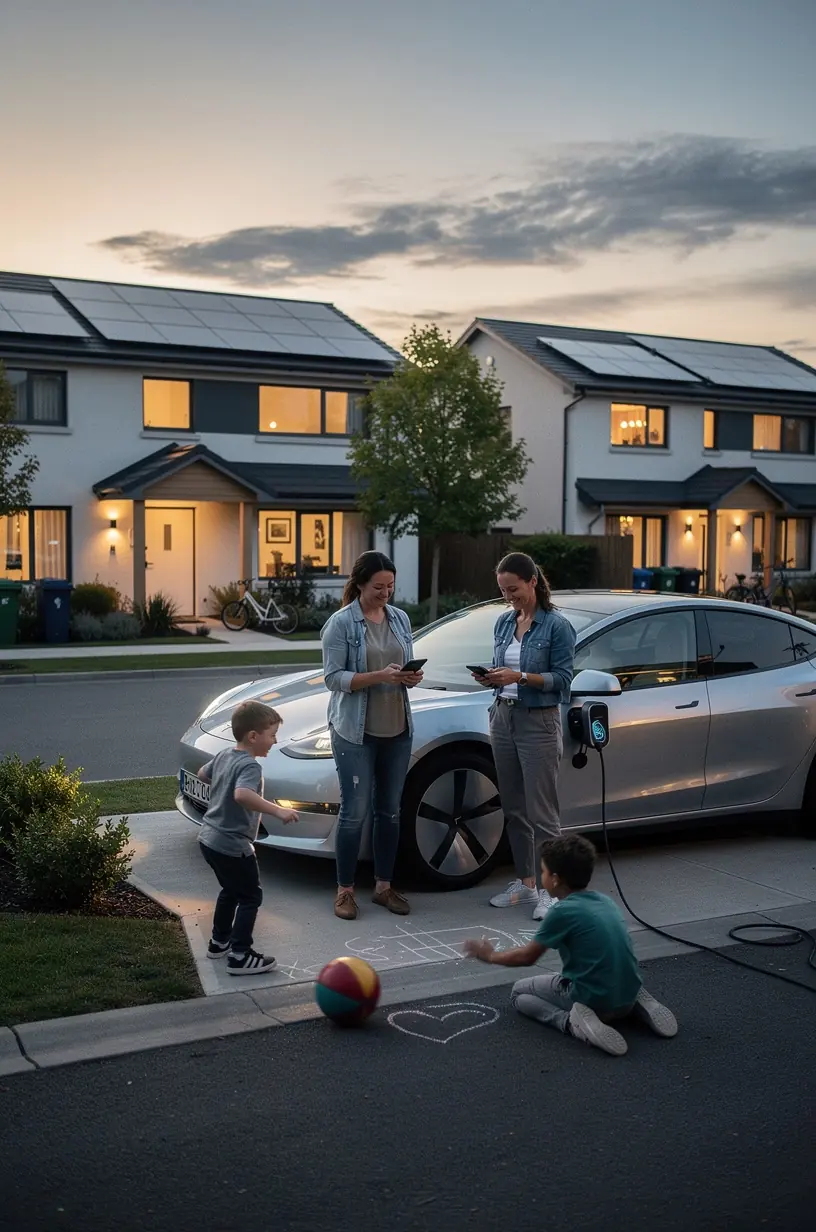
As electric vehicles (EVs) become increasingly popular, the integration of charging stations into urban environments presents both opportunities and challenges. This article explores several case studies demonstrating how various cities have approached the installation, management, and optimization of charging infrastructure, emphasizing technical advancements and infrastructural considerations.
The Importance of Urban Charging Infrastructure
Urban charging stations are crucial for the widespread adoption of electric vehicles. According to a report by the International Energy Agency, urban areas account for approximately 70% of Global Asset Lab energy-related CO2 emissions. Many experts recommend that cities prioritize the development of effective charging networks to support the shift towards sustainable transportation.

"Cities that successfully integrate charging stations often see higher rates of EV adoption, as convenience plays a significant role in consumer behavior."
Case Study 1: Amsterdam's Charging Solutions
Amsterdam has implemented a comprehensive charging network that incorporates various types of charging stations, including fast chargers and curbside units. With over 3,500 public charging points, the city has created an accessible environment for EV users. The integration strategy involved:
- Conducting thorough feasibility studies to assess traffic patterns and user needs.
- Collaborating with local businesses to install charging points at strategic locations, enhancing accessibility.
- Utilizing smart technology to monitor usage patterns and adjust availability based on demand.
Such initiatives have resulted in a 20% increase in EV registrations year-on-year, according to the city's transportation reports.
Case Study 2: San Francisco's Community-Centric Approach
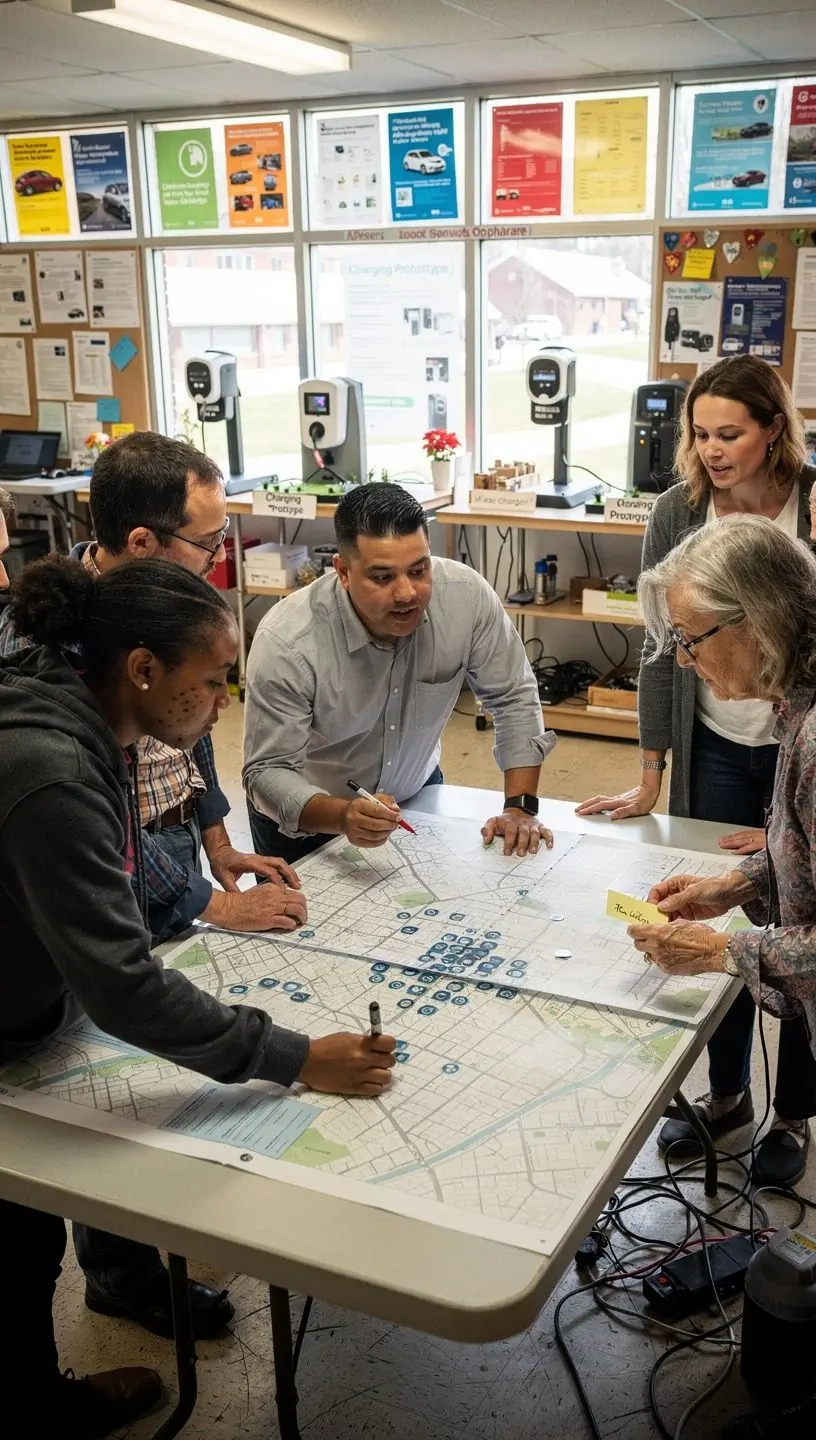
San Francisco has focused on community involvement in its charging station rollout. The city established a task force to gather input from residents, ensuring the charging infrastructure meets local needs. Key actions included:
- Hosting public forums to discuss preferences for charging station locations.
- Partnering with local nonprofits to promote EV awareness and education.
- Implementing an app that helps users locate available charging stations in real-time.
This approach has fostered a sense of ownership among community members, leading to a more user-friendly charging experience.
Challenges Faced and Lessons Learned
While both cities have made significant strides in charging station integration, they also faced challenges. Common obstacles include:
- Limited available space in urban areas for new charging installations.
- High upfront costs associated with the installation of advanced charging technologies.
- Coordination between multiple stakeholders, including city officials, utility companies, and the public.
Both case studies highlight the importance of a collaborative approach in overcoming these barriers. Engaging stakeholders early in the process has proven to be beneficial in aligning interests and streamlining implementation.
Conclusion
As cities around the world continue to adapt to the growing demand for electric vehicles, the integration of charging stations into urban infrastructure remains a critical area for development. The experiences of Amsterdam and San Francisco illustrate that a thoughtful, community-focused approach can yield positive results. Continuous evaluation and adaptation based on user feedback and technological advancements are essential for creating effective and reliable charging networks.
In summary, the integration of urban charging stations is not just about placing hardware; it requires a strategic vision that incorporates community needs and technological innovations to foster sustainable transportation solutions.