How Fast Charging Stations Impact EV Adoption Rates
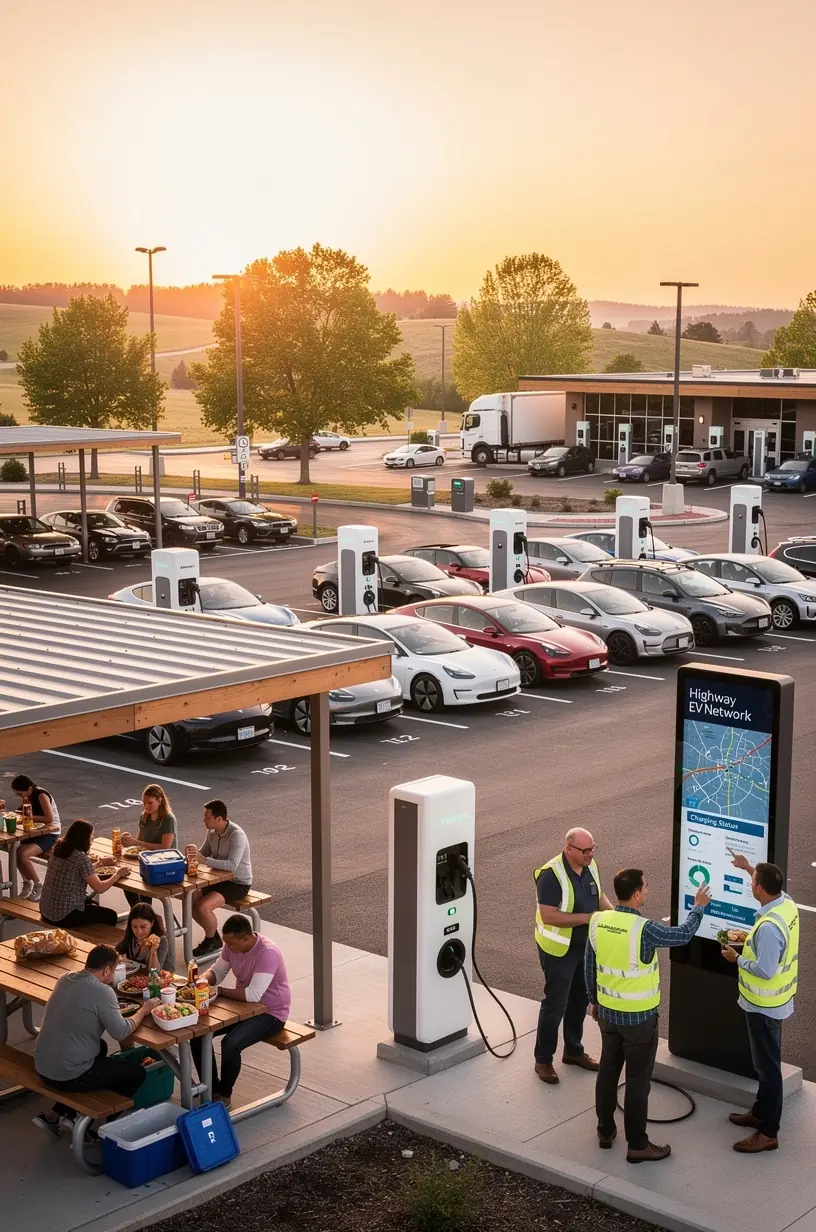
The growth of electric vehicles (EVs) is largely influenced by the availability and efficiency of charging infrastructure. This article explores how fast charging stations play a crucial role in enhancing the adoption rates of EVs while addressing the technical advancements and infrastructure challenges involved.
Understanding the Importance of Fast Charging
Fast charging stations are designed to reduce the time needed to charge an electric vehicle significantly. According to industry experts, charging times can be reduced from several hours to as little as 30 minutes with fast charging technology. This advancement is crucial as it aligns more closely with the refueling times of conventional gasoline vehicles, making EVs a more appealing option for many drivers.
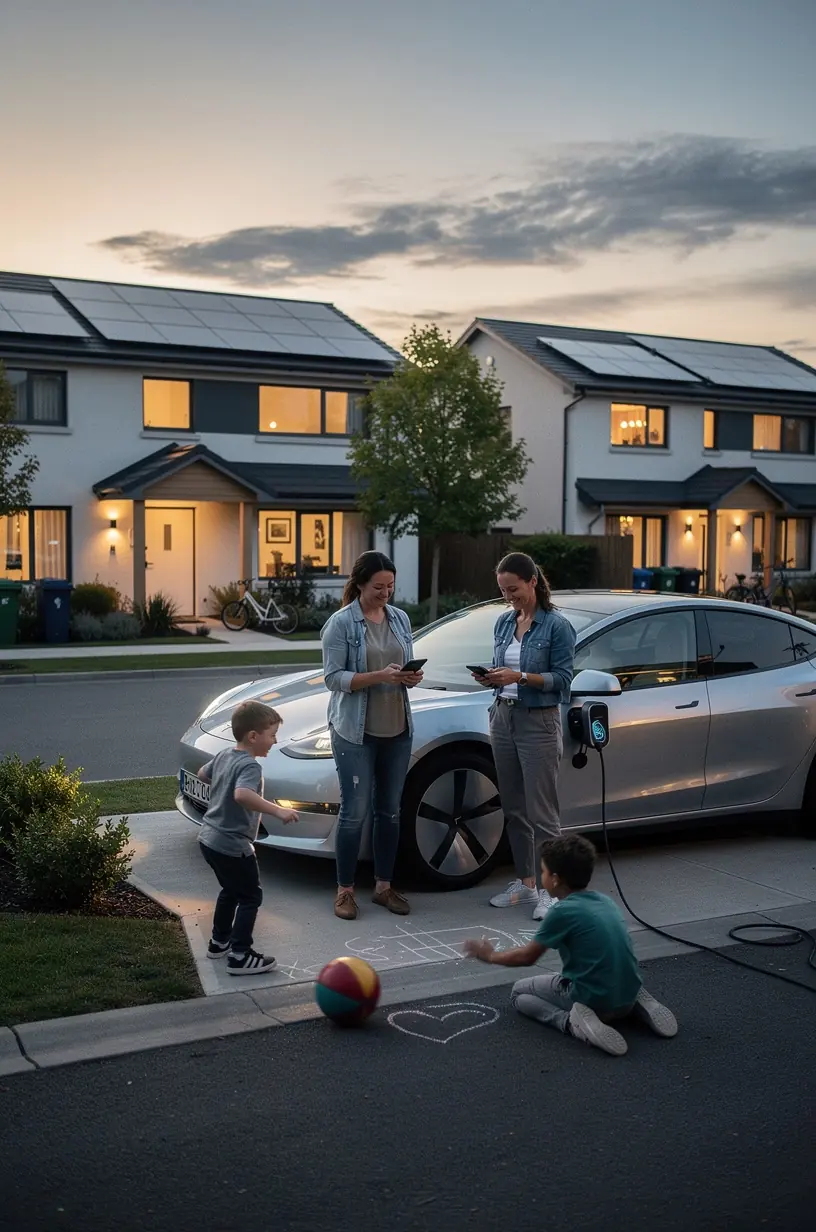
"The convenience of fast charging is a game-changer for potential EV buyers, as it addresses one of the primary concerns about electric vehicle ownership: charging time." - EV Infrastructure Expert
Factors Influencing EV Adoption Rates
Several factors contribute to the adoption rates of electric vehicles, but fast charging infrastructure stands out due to its direct impact on user experience. Here are some critical points to consider:
- Availability of Fast Charging Stations: Research indicates that regions with a higher density of fast charging stations see a marked increase in EV adoption. This is often attributed to the perceived accessibility of charging options.
- Integration with Existing Infrastructure: Fast charging stations that are strategically placed along major travel corridors can alleviate range anxiety, a common barrier for potential EV buyers. This integration may include partnerships with businesses to provide charging in high-traffic areas.
- Public Awareness and Education: Effective communication about the capabilities and benefits of fast charging technology is essential. Many users report that they are unaware of the advancements in charging speeds and the growing network of fast chargers.
Challenges in Fast Charging Network Deployment
While the benefits of fast charging stations are clear, there are inherent challenges in establishing a robust fast charging network. Some of these challenges include:
- Infrastructure Costs: Installation of fast charging stations can be expensive, requiring significant upfront costs and ongoing maintenance.
- Grid Capacity and Management: Fast charging stations demand substantial power, which can strain local electrical grids. Proper planning and upgrades are essential to prevent outages and ensure reliability.
- Standardization Issues: There is still a lack of uniform standards across different fast charging technologies, which can complicate the user experience and limit interoperability among different EV models.
Conclusion
In summary, fast charging stations significantly influence the rates of electric vehicle adoption by reducing charging times and alleviating range anxiety. As the infrastructure continues to evolve, it will be vital for stakeholders—ranging from automotive engineers to urban planners—to collaborate on developing efficient and widespread fast charging networks. While challenges remain, the potential for increased EV adoption through enhanced charging solutions is promising.