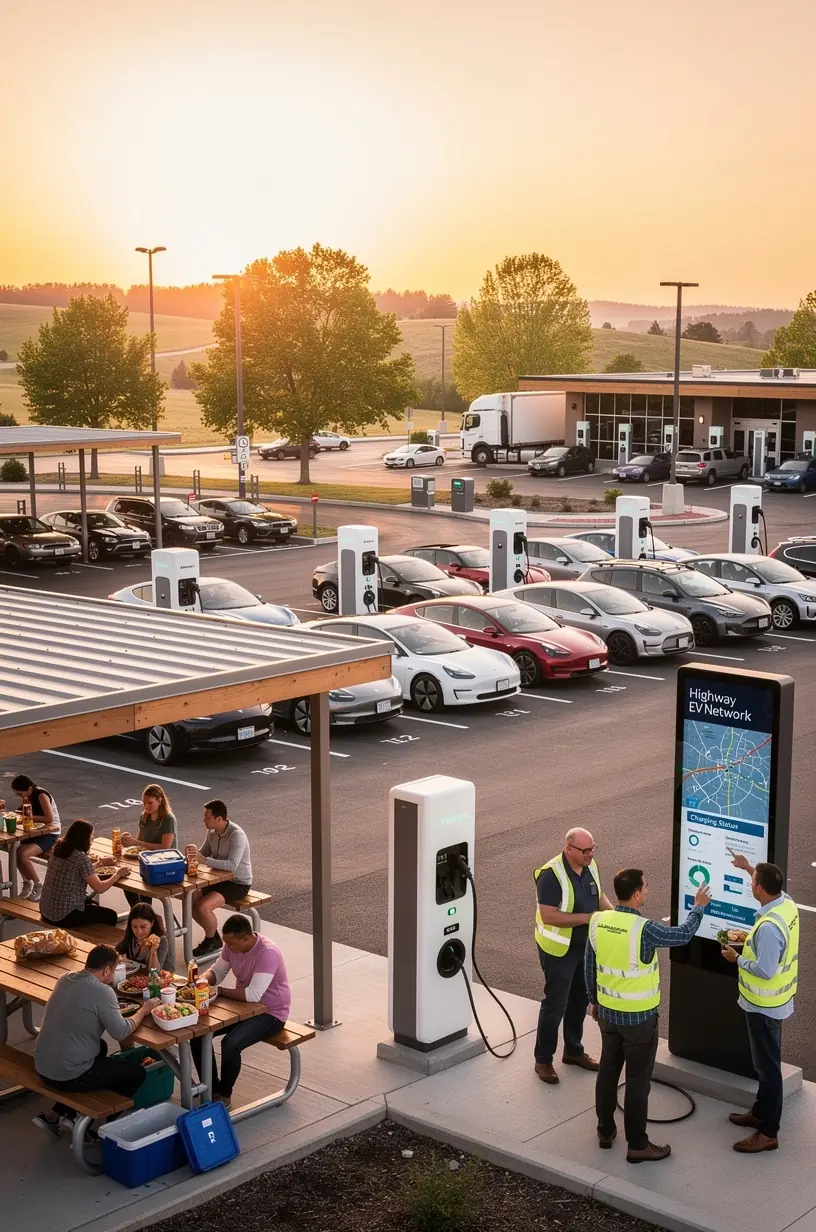
Exploring the Importance of Charging Standardization
As electric vehicles (EVs) gain traction worldwide, the establishment of standardized charging protocols has emerged as a critical aspect for the future of sustainable transportation. This article delves into the significance of charging standardization, addressing its technical advancements and infrastructure challenges.
What is Charging Standardization?
Charging standardization refers to the creation of uniform protocols and specifications that govern how electric vehicles are charged. This includes voltage levels, connector designs, and communication protocols between the vehicle and the charging station. According to experts, standardized charging solutions are essential for promoting widespread EV adoption and interoperability.

"The integration of standardized charging infrastructure can significantly enhance user experience and reduce range anxiety for EV drivers." - Industry Expert
Benefits of Standardization
Standardization in EV charging offers several key benefits:
- Enhanced Accessibility: Standardized chargers ensure that EV owners can easily find compatible charging stations, reducing confusion and enhancing user convenience.
- Interoperability: A common charging standard allows different EV models to use the same charging infrastructure, encouraging more manufacturers to enter the market.
- Faster Adoption: Research indicates that areas with standardized charging solutions experience more rapid growth in EV usage compared to regions with disparate systems.
Challenges in Achieving Standardization
Despite its benefits, achieving standardization presents several challenges:
- Technological Diversity: The rapid pace of technology development often leads to multiple competing standards, making it difficult to establish a unified system.
- Regulatory Hurdles: Different countries and regions may have varying regulations and standards, complicating international efforts to synchronize charging protocols.
- Infrastructure Investment: Transitioning to standardized systems can require significant upgrades to existing charging networks, which can be a barrier for some regions.
Case Studies: Successful Standardization Efforts
Several regions have successfully implemented standardized charging solutions, serving as models for others:
- European Union: The EU has made significant strides towards standardization through initiatives like the Combined Charging System (CCS), which has become widely adopted across member states.
- California, USA: California has established the Level 2 charging standard, facilitating a robust network of charging stations that caters to diverse EV models.
- China: China’s government has actively promoted unified charging protocols, leading to a rapid expansion of its EV infrastructure and increased user confidence.
Conclusion
Charging standardization is not merely a technical requirement; it is a foundational element that can pave the way for the future of electric mobility. By enhancing accessibility, ensuring interoperability, and facilitating quicker adoption, standardized charging solutions can help create a more sustainable and user-friendly EV ecosystem. As stakeholders in the automotive and urban planning sectors continue to navigate these challenges, a collaborative approach will be essential for achieving the necessary consensus on charging standards.