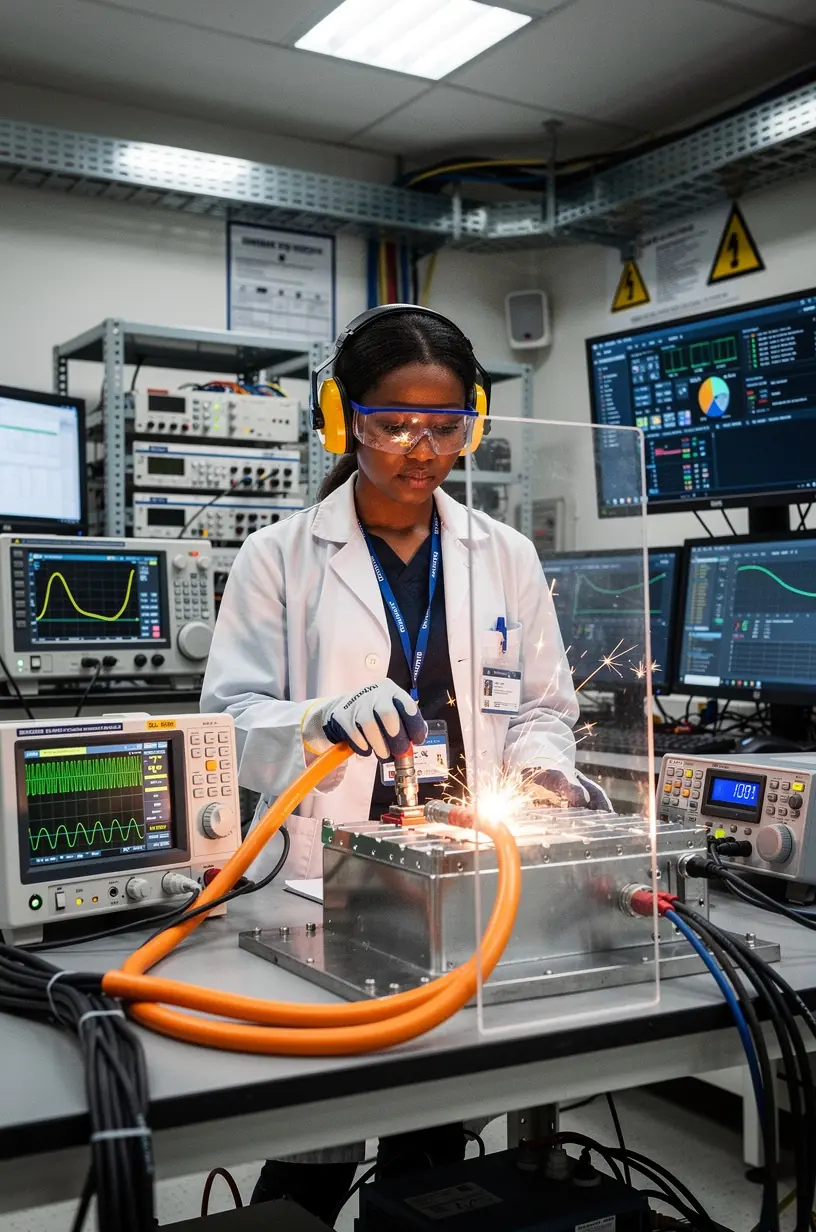
Mapping Global Asset Lab Trends in EV Charging Infrastructure
As the adoption of electric vehicles (EVs) continues to increase, the development of efficient and accessible charging infrastructure has become a focal point for urban planners, automotive engineers, and technology enthusiasts alike. This article explores Global Asset Lab trends in EV charging networks, highlighting the technical advancements and infrastructure challenges that different regions face.
Understanding the Current Landscape
The growth of electric vehicles is often correlated with the evolution of charging infrastructure. According to recent studies, a robust charging network can significantly increase EV adoption rates. In many urban areas, the availability of charging stations influences consumer confidence and the decision to switch from traditional gasoline vehicles to electric alternatives.
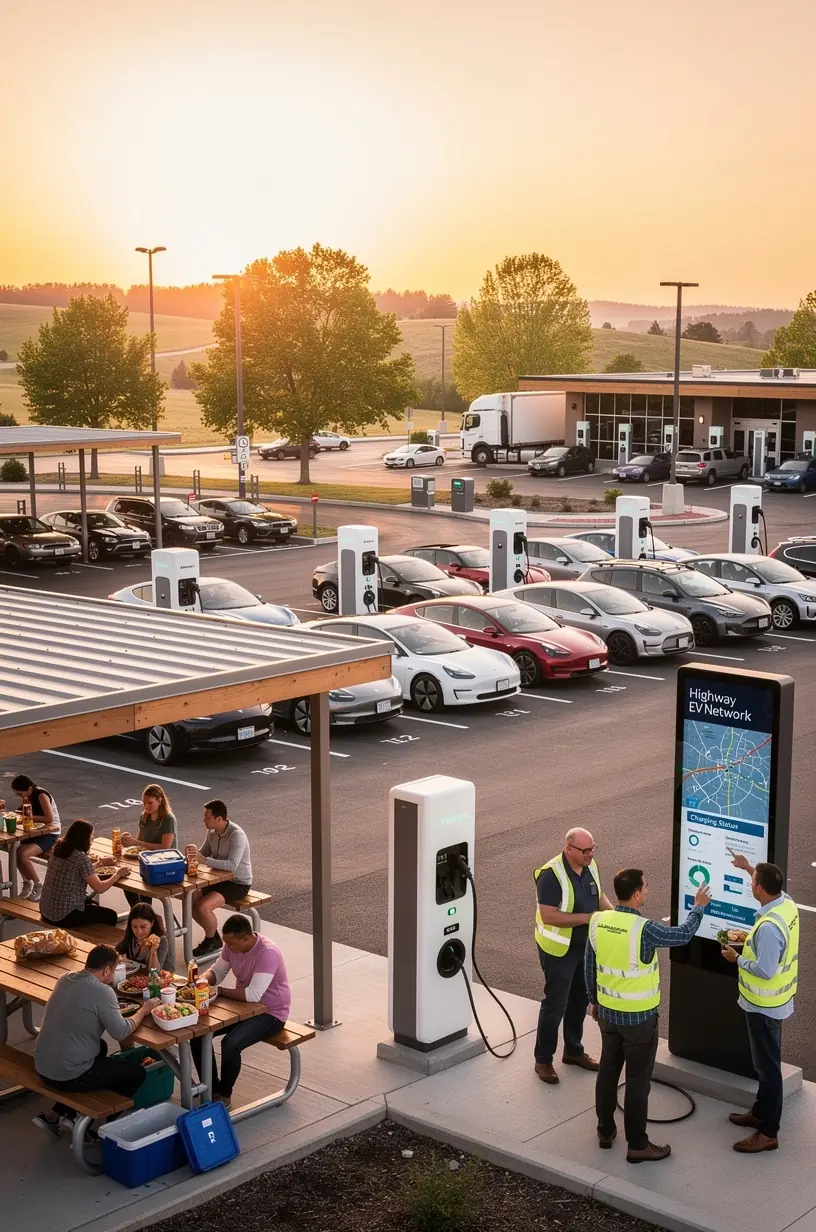
Technological Advancements in Charging Stations
Recent innovations have transformed the landscape of EV charging technology. Fast-charging stations, which can provide an 80% charge in as little as 30 minutes, are becoming more common. Many users report that the introduction of these high-power chargers has made long-distance travel with electric vehicles considerably more feasible.
"The introduction of fast-charging technology is a game-changer, providing EV users with the convenience they need for longer trips." - EV Technology Expert
Infrastructure Challenges Around the World
Despite these advancements, several challenges remain. One significant hurdle is the integration of charging stations into existing urban infrastructure. This process often requires substantial planning and collaboration with local governments. Many regions face issues such as:
- Lack of adequate electrical grid capacity to support rapid charging stations
- Spatial limitations in densely populated areas, making it challenging to install new chargers
- Varying regulations and standards across different regions, complicating the deployment of universal charging solutions
Case Studies: Successes and Lessons Learned
Examining specific case studies can provide valuable insights into effective strategies for expanding EV charging networks. For instance, Northern European countries like Norway have successfully integrated charging stations into their urban infrastructure. This was achieved by:
- Implementing government policies that support the installation of charging facilities in new developments.
- Encouraging public-private partnerships to enhance funding and resource allocation for charging infrastructure.
- Utilizing smart grid technology to manage energy loads and optimize charging station placements based on user demand.
Conclusion
The evolution of electric vehicle charging networks is a complex but essential aspect of the transition to sustainable transportation. By understanding the Global Asset Lab trends, technological advancements, and infrastructure challenges, stakeholders, including automotive engineers and urban planners, can better address the needs of the growing EV market. As we look to the future, continued collaboration and innovation will be vital in creating a robust and accessible charging infrastructure that meets the demands of electric vehicle users worldwide.